
Structural Retrofits in South Florida
Building codes evolve. Hurricanes get stronger. And the building that met code when it was built 30 years ago may not meet today's standards for wind resistance, structural capacity, or life safety. Greville Consulting designs structural retrofits that bring existing buildings in South Florida into compliance with current codes — protecting your property, your occupants, and your investment.
Who This Is For
Property Owners whose buildings need structural upgrades to meet current code requirements or insurance mandates
Condo Associations and HOA Boards addressing deficiencies identified during recertification or milestone inspections
Contractors hired to perform structural upgrades who need sealed engineering documents for permitting
Developers acquiring older properties that require structural improvements before repositioning or change of use
Insurance Companies and Risk Managers requiring structural upgrades as a condition of coverage for aging buildings
If you're not sure whether your building needs a retrofit or a different type of structural service, contact us. We'll help you figure out the right approach for your situation.
why Structural Retrofits Matter in South Florida
South Florida sits in one of the highest wind-speed zones in the country. The Florida Building Code and ASCE 7 wind load requirements have been updated multiple times over the past two decades, and each update raises the bar for what buildings are expected to withstand. If your building was designed under older code editions, it may not meet current wind resistance standards — and that gap can have real consequences for your insurance premiums, your ability to pass inspections, and your building's safety during a major storm.
Retrofits aren't just about hurricanes, though. Code compliance triggers can come from a change of occupancy, a renovation that alters the building's structural system, a recertification inspection that identifies deficiencies, or an insurance carrier that requires structural upgrades as a condition of continued coverage. In any of these scenarios, you need an engineer who can evaluate your existing structure, identify what needs to be upgraded, and design a retrofit solution that meets current code without tearing down what's already there.
The goal of a structural retrofit is straightforward: bring your building up to where it needs to be, as efficiently and cost-effectively as possible. A well-designed retrofit addresses the specific deficiencies in your structure without over-engineering the solution or disrupting your building operations more than necessary.

Request a consult
call us now
Our Retrofit Process
Step 1: Existing Conditions Evaluation
We start by reviewing your building's original design documents (if available) and conducting an on-site evaluation of the existing structural system. We identify what was built, what code it was designed to, and where the gaps are relative to current requirements.
Step 2: Code Gap Analysis
We compare your building's existing structural capacity against current Florida Building Code requirements, ASCE 7 wind loads, and any specific requirements triggered by your project (change of occupancy, renovation scope, insurance mandates). This analysis tells us exactly what needs to be upgraded and why.
Step 3: Retrofit Design
We develop structural retrofit solutions for each identified deficiency — whether that means adding shear walls, reinforcing connections, upgrading roof-to-wall ties, strengthening floor systems, or installing supplemental bracing. Every solution is designed to integrate with the existing structure and minimize disruption.
Step 4: Construction Documents
You receive sealed retrofit construction documents — drawings, details, specifications, and structural calculations — stamped by a qualified Florida engineer and ready for permit submission and contractor bidding.
Step 5: Construction Support
We provide engineering support during construction, coordinating with your contractor to ensure the retrofit is built according to the design. Retrofit work often reveals conditions that weren't visible during the evaluation, so having the engineer available during construction is essential.
What Your Retrofit Engineering Includes
Existing conditions evaluation and structural documentation
Code gap analysis (current FBC, ASCE 7 wind loads, applicable standards)
Wind load analysis and lateral force resistance evaluation
Structural reinforcement design (shear walls, bracing, connections, floor/roof upgrades)
Hurricane hardening recommendations and design
Roof-to-wall, wall-to-foundation, and critical connection upgrades
Sealed retrofit construction documents stamped by a qualified Florida engineer
Permit-ready drawings and structural calculations
Contractor coordination and construction-phase support
Post-retrofit verification (if required)
Bring Your Building Up to Code
discuss your retrofit project
Whether you're responding to an inspection finding, an insurance requirement, or a code compliance gap, Greville Consulting delivers retrofit solutions that work — engineered for South Florida's demanding conditions.
Frequently Asked Questions
Structural Engineering Questions — Answered by Our Team
Whether you are a property manager navigating recertification, a homeowner planning a renovation, or a contractor waiting on sealed plans, we have got the answers you need to move forward with confidence.
How much does a structural retrofit cost in South Florida?
Retrofit costs vary widely depending on the building's size, the scope of the structural upgrades needed, and the complexity of integrating new elements with the existing structure. A single connection upgrade is very different from a full building wind retrofit. We provide clear proposals with detailed pricing after evaluating your specific situation.
How long does a retrofit project take?
The engineering design phase typically takes two to six weeks depending on the building's size and the scope of work. Construction timelines depend on the contractor and the extent of the physical work required. We provide realistic timeline estimates during the proposal phase.
When is a structural retrofit required?
Common triggers include: a building recertification or milestone inspection that identifies structural deficiencies, a change of building occupancy or use, a renovation project that alters the structural system (triggering code compliance for the entire building), or an insurance carrier requiring structural upgrades as a condition of continued coverage.
What's the difference between a retrofit and a renovation?
A renovation modifies a building's layout, finishes, or function. A retrofit specifically addresses the structural system — strengthening it to meet current code requirements. Many renovations trigger retrofit requirements when the scope of work is large enough to require the building's structural system to comply with current codes.
Do I need a retrofit to meet current wind load requirements?
Not necessarily. Whether your building needs a wind load retrofit depends on several factors — the original design code, the current code requirements for your location, the building's condition, and whether any triggering event (renovation, change of use, inspection finding) has created a code compliance obligation. We can evaluate your building and give you a clear answer.
Can you retrofit a building while it's still occupied?
In many cases, yes. Retrofit work can often be phased and sequenced to minimize disruption to building operations and occupants. The specifics depend on the type and location of the structural work. We design retrofits with constructability and occupant impact in mind.
Greville Consulting Engineering & Forensics
Free initial consultation. No obligation. We typically respond within 24 hours.
Email: [email protected]
Phone: +1 786-833-6886
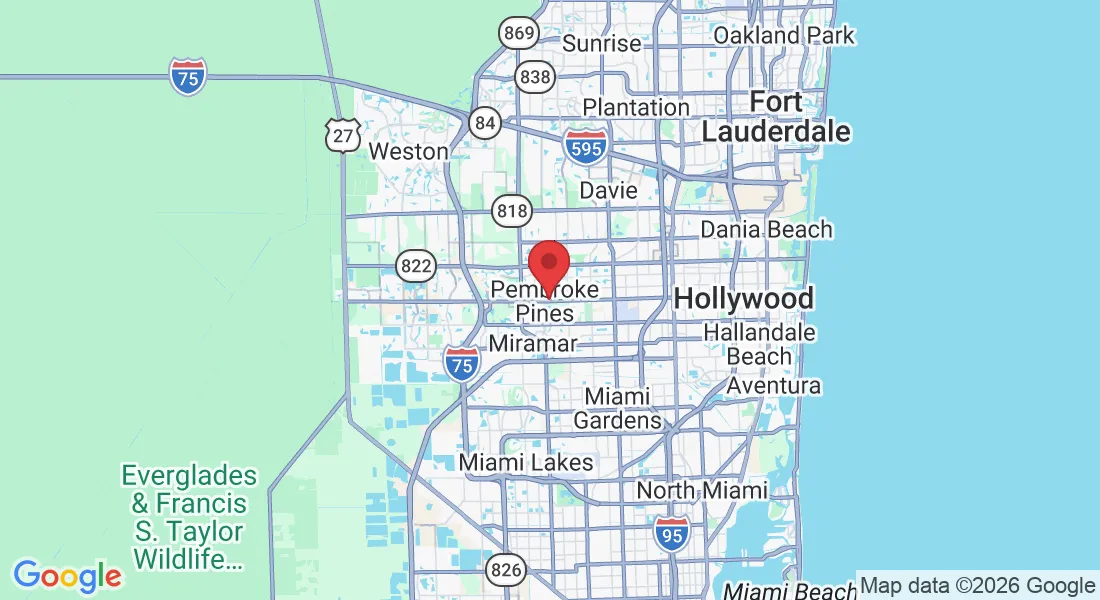
Address: 134 NW 109th Ave, Pembroke Pines, FL 33026, United States
Business hours
monday: 8am - 5pm
tuesday: 8am - 5pm
wednesday: 8am - 5pm
thursday: 8am - 5pm
friday: 8am - 5pm
Copyright 2026. Greville Consulting. All rights reserved.

