
Building Restoration in South Florida
South Florida's salt air, humidity, and hurricane exposure don't just weather your building's appearance — they attack its structural integrity from the inside out. When concrete starts spalling, rebar begins corroding, or your recertification report flags structural deficiencies, you need a restoration plan designed by engineers who understand what's happening beneath the surface. Greville Consulting provides structural restoration design and engineering for condos, commercial buildings, and parking structures across Broward, Miami-Dade, and Palm Beach counties.
Who This Is For
Condo Associations and HOA Boards with buildings showing signs of concrete deterioration or flagged during recertification/milestone inspections
Property Managers coordinating restoration projects across aging buildings in their portfolio
Commercial Property Owners responsible for maintaining the structural integrity of office buildings, retail centers, or mixed-use properties
Parking Structure Owners dealing with concrete deterioration, rebar corrosion, or waterproofing failures in parking garages
Developers and Investors acquiring properties that need structural restoration before repositioning or resale
If you're seeing cracked concrete, exposed rebar, rust staining, or spalling on your building's exterior, balconies, or parking structure, don't wait. These are signs of active deterioration that will only get worse over time.
Why Building Restoration Matters in South Florida
If you manage or own a building in South Florida, deterioration isn't a question of "if" — it's a question of "when." The combination of salt-laden air, high humidity, driving rain, and temperature cycles creates one of the most aggressive environments for reinforced concrete structures in the country. Over time, chloride ions penetrate the concrete, reach the embedded reinforcing steel, and trigger corrosion. As rebar corrodes, it expands — cracking and spalling the surrounding concrete and weakening the structural element it was designed to reinforce.
Left unaddressed, structural deterioration accelerates. What starts as a few surface cracks or a patch of spalling concrete on a balcony can progress to compromised load-bearing capacity, falling concrete hazards, and code violations that trigger enforcement action from your local building official. After the Surfside tragedy, building officials across South Florida are scrutinizing aging structures more closely than ever. If your building's recertification or milestone inspection has flagged structural issues, the clock is ticking on getting a repair plan in place.
The right restoration approach can extend your building's useful life by decades, protect your residents and tenants, satisfy your compliance obligations, and control costs by addressing problems before they escalate. That starts with a proper engineering evaluation and a restoration design tailored to your building's specific conditions.

Request a consult
call us now
Our Restoration Process
Step 1: Structural Assessment
We start by evaluating your building's current condition — documenting deterioration, identifying the root causes, and determining the scope of work needed. If you've already had a recertification inspection, milestone inspection, or structural conditions assessment, we'll review those findings as our starting point.
Step 2: Restoration Design
Based on the assessment, we develop a restoration plan that addresses each area of deterioration with the appropriate repair method. This includes concrete repair specifications, corrosion mitigation strategies, waterproofing recommendations, and any structural reinforcement needed to restore load-carrying capacity.
Step 3: Construction Documents
You receive detailed restoration construction documents — repair drawings, specifications, and material requirements — stamped by a qualified Florida engineer. These documents give your contractor clear direction and provide the basis for accurate bidding.
Step 4: Contractor Coordination
We work with your selected restoration contractor during construction, answering technical questions, reviewing repair methods, and verifying that the work aligns with the engineering design. Structural restoration requires close coordination between the engineer and the contractor to get right.
Step 5: Completion Verification
Once restoration work is complete, we can perform a final verification to confirm that repairs meet the engineering specifications and document the completed work for your building's records, insurance, or compliance files.
What Your Restoration Engineering Includes
Structural assessment and deterioration documentation
Root cause analysis (chloride intrusion, carbonation, water infiltration, structural overload)
Concrete repair design and specifications
Rebar corrosion evaluation and remediation planning
Balcony and exterior element restoration design
Parking structure restoration engineering
Waterproofing and protective coating recommendations
Sealed restoration construction documents stamped by a qualified Florida engineer
Bid-ready specifications for contractor pricing
Construction-phase engineering support and field verification
Don't Let Deterioration Dictate Your Timeline
Request A restoration consultation
The longer you wait, the more extensive (and expensive) the repairs become. Get a structural restoration plan in place now and take control of your building's future.
Frequently Asked Questions
Structural Engineering Questions — Answered by Our Team
Whether you are a property manager navigating recertification, a homeowner planning a renovation, or a contractor waiting on sealed plans, we have got the answers you need to move forward with confidence.
How much does building restoration cost in South Florida?
Restoration costs depend on the extent of deterioration, the size of the building, the types of structural elements affected, and the repair methods required. Minor concrete patching is very different from a full-scale balcony restoration or parking structure rehabilitation. We provide a detailed scope and clear proposal after our initial assessment so you know what to expect.
How long does a typical restoration project take?
Timelines vary significantly based on scope. The engineering design phase typically takes two to four weeks. Construction timelines depend on the contractor's schedule and the extent of the repair work. For large condo restoration projects, construction can span several months. We provide realistic timeline estimates during the proposal phase.
What's the difference between concrete restoration and concrete replacement?
Concrete restoration involves repairing and rehabilitating existing concrete elements — removing deteriorated material, treating corroded rebar, and applying new concrete or repair mortar to restore the element to its original capacity. Full replacement means removing and rebuilding the structural element entirely. We evaluate each situation and recommend the most cost-effective approach that maintains structural integrity.
How do I know if my building needs restoration?
Common signs include visible concrete spalling (chunks flaking off), exposed or rusted rebar, rust staining on concrete surfaces, cracking patterns that suggest structural movement, and deterioration flagged during a recertification or milestone inspection. If you're seeing any of these signs, it's worth having an engineer take a look before the damage progresses.
Does insurance cover structural restoration?
It depends on your policy and the cause of the deterioration. Storm damage or sudden events may be covered by property insurance. Gradual deterioration from environmental exposure is typically considered a maintenance responsibility. We provide detailed documentation that can support insurance claims where applicable, but we recommend consulting your insurance provider for coverage specifics.
How does restoration relate to building recertification?
They go hand in hand. If your 40-year recertification or milestone inspection identifies structural deficiencies, the building official will typically require you to develop a repair plan and complete the necessary restoration work within a specified timeframe. We can take you from the inspection finding all the way through the restoration design and construction support — one firm, start to finish.
Greville Consulting Engineering & Forensics
Free initial consultation. No obligation. We typically respond within 24 hours.
Email: [email protected]
Phone: +1 786-833-6886
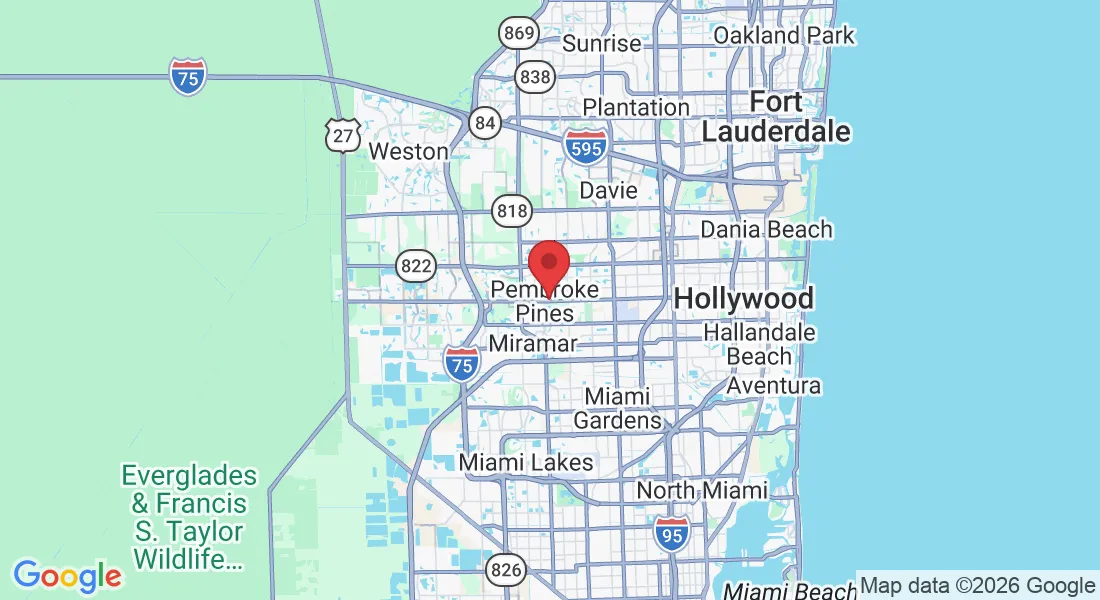
Address: 134 NW 109th Ave, Pembroke Pines, FL 33026, United States
Business hours
monday: 8am - 5pm
tuesday: 8am - 5pm
wednesday: 8am - 5pm
thursday: 8am - 5pm
friday: 8am - 5pm
Copyright 2026. Greville Consulting. All rights reserved.

